MERIDA
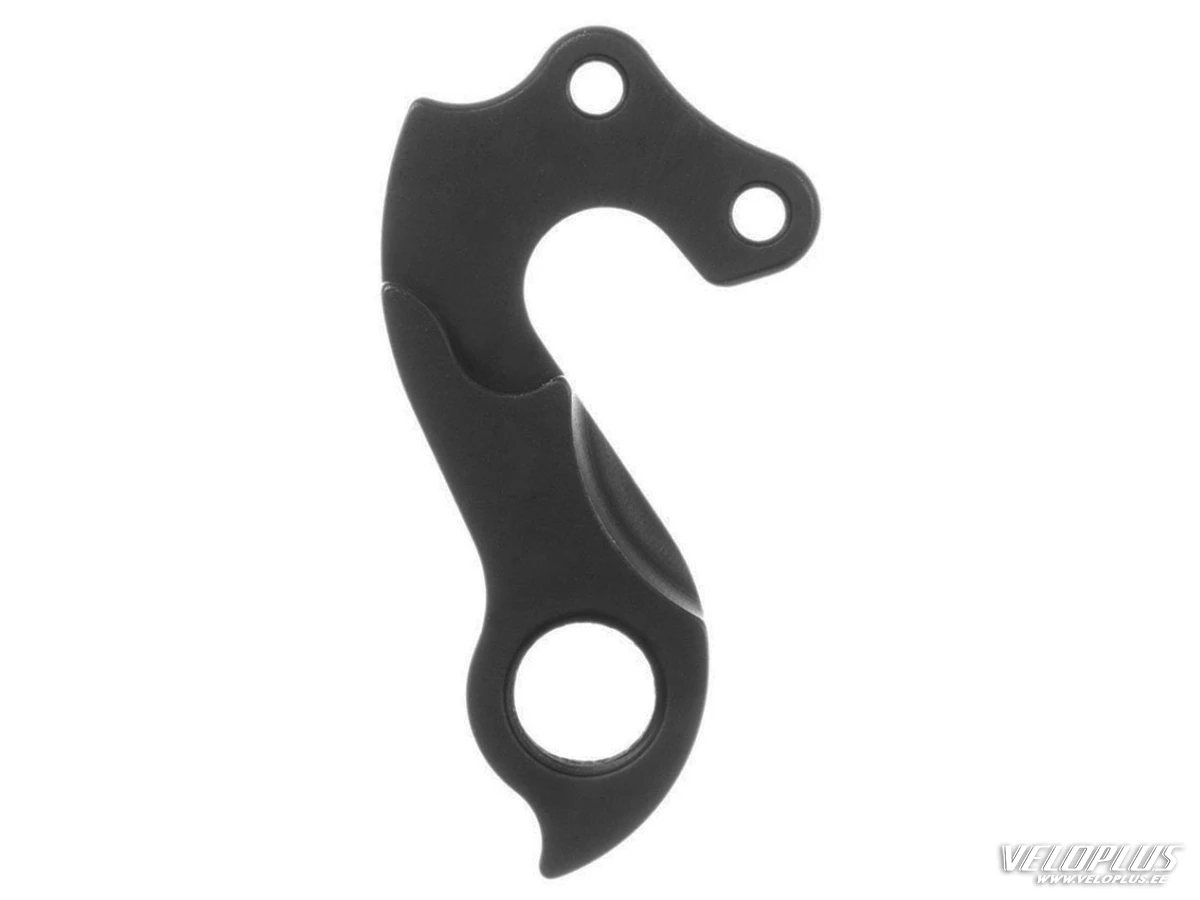
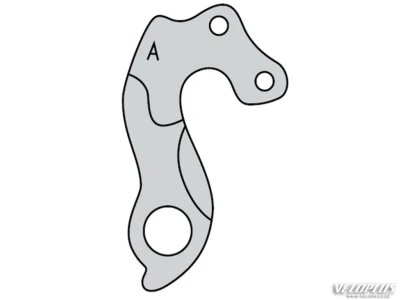
Derailleur hanger Merida 8317
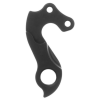
2019 Merida rataste mudelitele:
Scultura 500
Scultura 400
Scultura 300
Scultura 200
Scultura 100
Ride 500
Ride 400
Ride 400-Juliet
Ride 300
Ride 300-Juliet
Ride 300-30
Ride 300-30 Juliet
Ride 200
Ride 100
Ride 100-Juliet
Ride 100-24
Ride 100-24-Juliet
Ride 300-NO
Ride 200-27-NL
Ride 300-30 Juliet-NL
Ride 88-UK
Ride 90-NO
Race 80-PL
Cyclo Cross 700
Cyclo Cross 500
Cyclo Cross 300
DUAL 600-NO
MAROON 700-NO
DUAL 100-NO
DUAL IMAGE-NO
DUAL CORTEZ-NO
Speeder 500
Speeder 300
Speeder 300-D
Speeder 300-Juliet
Speeder 200
Speeder 200-D
Speeder 100
Speeder 100-MD
Speeder 100-Juliet
Reacto 500
Reacto 400
Reacto 300
-
 Estonia
2,10 €
Estonia
2,10 € -
 Finland
7,50 €
Finland
7,50 € -
 Latvia
3,90 €
Latvia
3,90 € -
 Lithuania
3,90 €
Lithuania
3,90 €
MERIDA is one of the world's leading premium bicycle brands, founded in 1972 in Changhua, Taiwan by engineer and entrepreneur Ike Tseng (1932–2012). The brand's origin story is built on a real vision: while travelling in the US in the early 1970s, Ike Tseng spotted a sign on a bike shop door stating that Taiwanese-made bikes would not be accepted for repair due to their poor quality. This deeply offended him — and that same September he opened his factory in Yuanlin with a mission to prove that world-class bikes could be made in Taiwan. The name "Me-Ri-Da" loosely translates as "reaching your destination on a beautiful, high-quality product". For its first decades Merida operated as an OEM producer for major Western brands (including Raleigh, Specialized and Mongoose), launched its own MERIDA brand in 1988 and in 1992 became the first bicycle manufacturer listed on the Taiwan Stock Exchange. The backbone of today's Merida, however, is the R&D centre opened in 2001 in Magstadt, Germany, near Stuttgart, where the entire bike development takes place — frame design, geometry, colours, component specifications. The location is no accident: Mercedes, Porsche and other German automotive giants are right next door, meaning the area is full of top-class engineers. Magstadt also houses the brand's own test lab, where prototypes are put through punishing trials before going into production. At the Taiwanese factory, a local team of around 20 engineers turns the German concepts into production-ready products — this connection is Merida's signature: "engineered in Germany, tested by pros, built in Taiwan". Today Merida produces over 2 million bikes a year at its factories in Taiwan, China and Germany, and sells them in more than 77 countries — the range covers everything from kids' and city bikes to e-bikes, MTBs, gravel and full-on professional WorldTour racing machines. Merida has also left a deep mark on top-level sport: the Multivan Merida Biking Team that operated from 2000 to 2016 went down in history as one of the most successful MTB teams ever — over 30 World Cup wins, 15 World Championship titles, 15 European titles, and at the 2004 Athens Olympics both gold (Gunn-Rita Dahle Flesjå) and silver (José Hermida). On the road, Merida has supplied WorldTour teams since 2013 — the most memorable wins are Vincenzo Nibali's Milan–San Remo (2018) and Il Lombardia (2017) and Sonny Colbrelli's Paris–Roubaix (2021), all in Bahrain Victorious colours. A unique partnership ties Merida to the American premium brand Specialized: since 2001 Merida has owned 49% of Specialized and produces their models. The backbone of every Merida bike is Ike Tseng's original principle — do it with quality or don't do it at all.